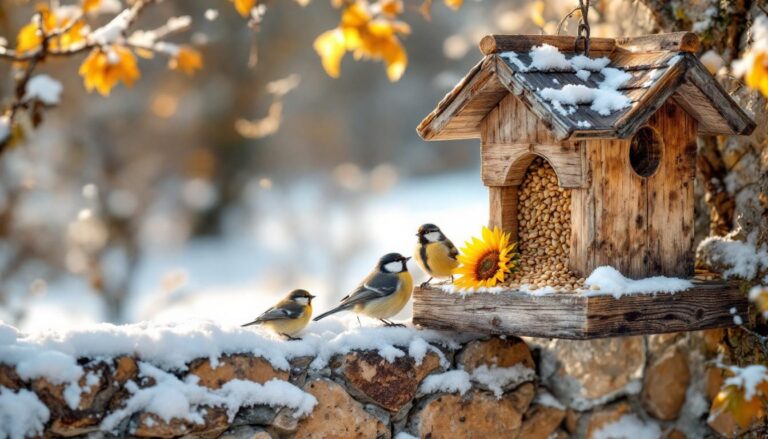
As temperatures drop and snowy landscapes blanket the ground, many of our feathered friends face challenging conditions to find food. Birds that remain during cold weather need special care—rich, high-energy diets are essential for their survival. This guide delves into the best practices for bird feeding in winter, emphasizing the importance of choosing nutritious offerings that cater to the needs of various species. From selecting the right seeds to providing supplements like suet and fruit, learn how to transform your backyard into a winter haven that supports the vitality of these valuable wildlife residents.
Feeding birds in cold weather not only sustains their energy but also creates opportunities to observe diverse species in action. A well-curated bird feeding station, complete with safe water sources and consistent maintenance, can make all the difference in attracting visitors to your yard. Through intentional efforts, it’s possible to play an active role in wildlife support and ensure healthy birds thrive despite the harsh elements.
In brief:
- 🌰 Provide high-energy food like suet and black oil sunflower seeds to help birds maintain body heat.
- 🍏 Offer fruits such as apples and oranges for a nutritious treat to attract various species.
- 🌽 Include peanuts and hulled sunflower seeds for energy-rich options that appeal to larger birds.
- 🛠️ Ensure feeder maintenance by keeping feeders clean and well-stocked to prevent spoilage and overcrowding.
- 💧 Provide a source of fresh water for drinking and bathing, crucial during freezing temperatures.
The Best Nutritional Options for Birds in Cold Weather
Birds require extra fat and calories during winter. Therefore, selecting the right bird food is essential. Among the most popular choices are:
- Suet: Packed with fat, suet comes in various forms like cakes and balls, enticing numerous winter birds such as woodpeckers and chickadees. It can be mixed with nuts, seeds, or fruit for added variety. 🐦
- Bark Butter: This spreadable suet can be directly smeared onto tree bark, attracting birds like nuthatches and creepers. 🌳
- Hulled Sunflower Seeds: Easy to consume, these seeds are a favorite among finches, cardinals, and other backyard visitors. 🌻
- Cracked Corn: While not as nutrient-dense, it provides energy and can attract larger birds like doves and quails. 🌽
Creative Ways to Attract Birds to Your Feeders
Beyond nutritious food, creating an inviting atmosphere encourages birds to visit. Consider incorporating:
Failing to do this on your balcony will cause damage.
- 🌼 Native Plants: Planting native flowering and fruiting plants can provide natural feeding options in warmer months.
- 💡 Feeder Variety: Use different feeders (e.g., tube, hopper, and thistle feeders) to cater to diverse species and reduce competition. 🥜
- 🧊 Water Sources: Install heated bird baths or regularly refresh water to provide birds with a safe hydration source. 💧
Maintaining Bird Feeders in Winter Conditions
Regular feeder maintenance is crucial for ensuring birds receive optimal nutrition. During snowy months, excess water and moisture can lead to spoiled food. Keep the following tips in mind:
- 🛠️ Clean feeders regularly to prevent mold and bacteria that can harm visiting birds.
- 📦 Stock up on high-quality food to ensure availability during bad weather when birds may be more reliant on your feeders.
- 🌨️ Position feeders in sheltered spots to protect them from snow and extreme wind.
Support for Healthy Birds During Winter Months
Creating an environment that supports healthy birds involves being observant and proactive. Take the time to learn about the specific species that frequent your area and tailor your offerings. Birds like goldfinches, nuthatches, and dark-eyed juncos require different seeds for optimal nutrition, so a diverse array ensures varied diets. 🌾
Winter bird care is more than just feeding; it’s about creating a sanctuary where birds can thrive amidst cold weather challenges. As the seasons shift, maintaining nourishing practices will help promote the well-being of diverse avian visitors.