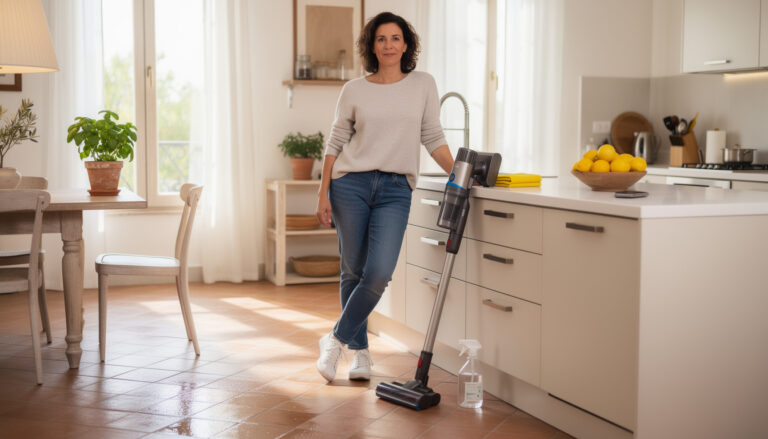
Many individuals take pride in maintaining a spotless home. However, there are numerous neglected areas that often escape even the most diligent cleaning routines. Unbeknownst to many, these spots serve as breeding grounds for bacterial buildup and allergens that can ultimately impact your family’s home hygiene. Addressing these often-overlooked spaces is crucial, particularly for the health of those with respiratory issues or allergies. This article highlights some of the dirtiest places in your home and shares effective cleaning tips to ensure a safer environment for everyone.
While typical household chores concentrate on visible surfaces, many germ hotspots linger in hidden corners, waiting to be discovered. From ceiling fans to remote controls, these areas need attention to swiftly combat dust and dirt. By adopting a systematic approach to deep cleaning, not only will the aesthetics of your home improve, but you will also enhance the indoor air quality and overall wellbeing of your family. It’s time to roll up the sleeves and tackle those spots that have been sneaking under the radar for far too long!
En bref :
- 🔎 Hidden dirt traps are often neglected during regular cleaning tasks.
- 🌬️ Addressing these areas improves indoor air quality and reduces allergens.
- 🧼 Systematic cleaning can combat dust buildup and maintain hygiene.
- 🏠 Commonly overlooked areas include ceiling fans, remote controls, and baseboards.
- 📅 Implementing a cleaning schedule can help maintain a healthier living space.
Ceiling Fans and Light Fixtures: Unseen Dust Accumulation
One of the most overlooked areas in the home is the ceiling fan and light fixtures. These often-neglected fixtures collect dust, pollen, and pet dander, especially in less-used rooms. When activated, they can distribute these particles throughout the living space, exacerbating allergy symptoms. Regular cleaning can prevent this buildup and improve air quality. A simple trick for cleaning ceiling fans involves sliding a pillowcase over each blade to avoid sending dust flying. For light fixtures, always ensure the power is off before cleaning them thoroughly.
Baseboards and Trim Work: Hidden Collectors of Dust
Many homeowners overlook baseboards and trim work. These architectural features become dust and grime magnets, often attracting mold in humid environments. Over time, this buildup worsens indoor air quality. To maintain these areas, vacuum first, then follow up with a damp microfiber cloth and a mild cleaning solution, especially during seasonal changes when dust levels rise.
The secret to disinfecting kids’ toys quickly.
Window Tracks and Sills: The Unsightly Truth
Even if your windows sparkle, the tracks and sills may reveal a different story. Often accumulating dirt, dead insects, and mold spores, these spots can affect window operation and overall air quality. Start by vacuuming the tracks and sills, then spray them with a vinegar-water solution to tackle stubborn grime. Allow it to sit before scrubbing with an old toothbrush, ensuring everything is wiped clean afterward.
Behind and Under Major Appliances: The Hidden Hazards
The areas beneath large appliances like refrigerators and ovens are notorious for becoming dirt magnets. These spaces are often filled with food particles and dust, creating not only a potential fire hazard but also fostering unwanted pests. Pull appliances away from the wall and give these spots a thorough cleaning at least twice a year, emphasizing safety and efficiency.
High-Touch Surfaces: The Germ Hotspots
Items like remote controls, light switches, and door handles receive frequent contact, making them prime germ hotspots. Studies reveal that these surfaces can harbor more bacteria than toilet seats. Enhance your cleaning routine by disinfecting these areas weekly to curtail germ transmission, especially during cold and flu seasons. A mixture of warm water and vinegar works wonders for effective sanitization.
HVAC Vents, Returns, and Filters: Breathing Clean Air
Given that your HVAC system is responsible for air circulation, neglected vents and clogged filters can distribute dust and allergens throughout your home. Regular vacuuming of vents and changing filters every 1-3 months can dramatically improve indoor air quality. This simple step ensures that your home stays comfy and your air remains clean.
Creating a Manageable Cleaning Schedule
To avoid feeling overwhelmed by cleaning chores, dividing these tasks into a systematic schedule can help tremendously. Here’s an easy guide:
- 🗓️ Weekly: Focus on high-touch surfaces like remote controls and handles.
- 🗓️ Monthly: Clean ceiling fans and accessible vents.
- 🗓️ Quarterly: Tackle under furniture, baseboards, and window sills.
- 🗓️ Bi-annually: Clean behind and under major appliances and inside window tracks.
Incorporating these neglected areas into your routine will not only keep your home looking its best but also contribute tremendously to your family’s health and comfort. By paying attention to these dirtiest places in your house, you can promote a safe and healthy environment for everyone.