Understanding the role of light in indoor gardening is crucial for nurturing healthy and vibrant plants. The right light intensity not only ensures photosynthesis but also significantly influences plant growth and overall plant health. As households become more eco-conscious, the choice of indoor plants has surged, leading to an increased demand for knowledge about their care, particularly regarding their light spectrum needs.
Indoor plants, originating from various habitats, exhibit unique light preferences. Some thrive in direct sunlight, while others prefer low-light settings. Understanding these requirements can lead to a flourishing indoor garden regardless of one’s home lighting conditions. Research shows that providing the correct lighting setup can enhance chlorophyll production, thus improving the overall vitality of plants. This article will delve into how different types of light affect indoor plants and how to optimize their exposure for maximum growth and aesthetic appeal.
- 🌱 Plants thrive in indirect light, mimicking their natural habitats.
- 💡 Utilize light meters or apps to determine your home’s light intensity.
- 🌞 Bright, indirect light is vital for many species to avoid leaf damage.
- 🕶️ Explore the differences between direct and indirect light for optimal placement.
- 🌼 Seasonal changes impact light quality, affecting growth rates.
The Importance of Light for Plant Health
The importance of light cannot be overstated when it comes to the health of indoor plants. Light facilitates photosynthesis, the process through which plants convert light into energy. Without adequate light, plants cannot produce the food they need to survive, leading to a decline in health. Understanding a plant’s natural habitat can help provide the right kind of light. For instance, tropical plants often benefit from bright, indirect light due to their exposure under the jungle canopy.
Identifying Light Requirements
Each species of indoor plant has different light needs. Some plants, like succulents and cacti, prefer bright, direct sunlight. In contrast, ferns and snake plants thrive in lower light environments. Here’s how to identify and match your plants’ needs:
- 🌞 Assess window directions: North-facing windows provide indirect light, while south-facing windows offer direct sunlight.
- 📏 Use light meters to measure light intensity in foot-candles (ftc); aim for specific ranges according to plant type.
- 🔄 Be prepared to adjust situations as seasons change, affecting the angle and intensity of sunlight.
Optimal Lighting Strategies
Setting up the right lighting can dramatically impact the success of indoor plants. Implementing various strategies will help maximize growth rate. Here are detailed tips on achieving the optimal light conditions for your indoor plants:
The easiest way to store your bulbs so they stay dry.
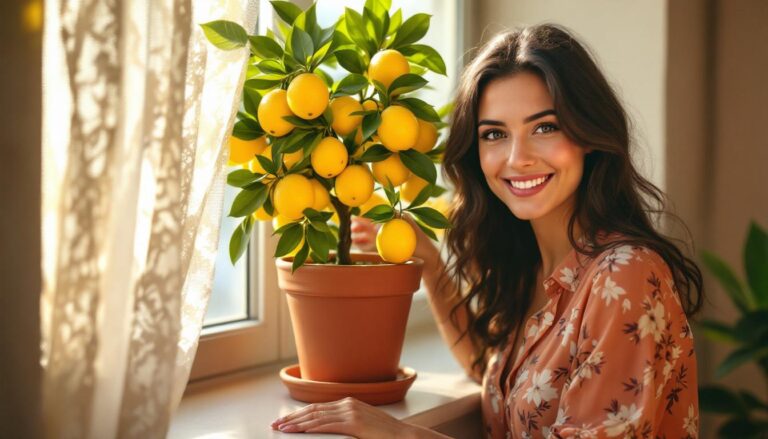
- 🌠 Bright Indirect Light: Place plants near windows with sheer curtains to filter sunlight. Ideal for plants like orchids and bromeliads.
- 🌤️ Medium Indirect Light: North-facing windows are perfect. Position plants a few feet away from windows that face east or west to diffuse the light.
- 🌑 Low Light Settings: For dim corners, choose hardy species like the ZZ plant or the snake plant, and ensure they receive brief exposures to medium light periodically.
How to Modify Indoor Light Conditions
Enhancing indoor light settings can be approached in several ways:
- 💡 Supplement with Grow Lights: These can replicate natural sunlight, especially beneficial during winter months.
- 🌿 Rotate Plants Regularly: Ensuring all sides of a plant receive light can promote even growth.
- 🧪 Experiment with Light Height: Altering the height and distance of grow lights can affect light intensity experienced by your plants.